Hong Kong After Dark — the Night Belongs to You
Hong Kong doesn't wind down after dinner — it shifts gears. The restaurants may close, the dim sum trolleys may stop rolling, but the city barely pauses. Neon stays lit. The MTR runs past midnight. Entire neighborhoods that were already busy at 8pm become something else entirely by 11. For visitors and locals alike, the hours after a meal are when Hong Kong reveals its actual character: restless, layered, relentlessly alive. Expats who've settled here long enough know this rhythm well — they've built evening routines that move between rooftop bars, night markets, mahjong dens, and the kind of low-key digital leisure that travels well, whether that means a betrouwbaar casino zonder CRUKS session from a Dutch-licensed platform accessed from a Wan Chai apartment, or simply a live poker room two streets from the harbor. The night in Hong Kong is not a gap between meals. It is the main event.
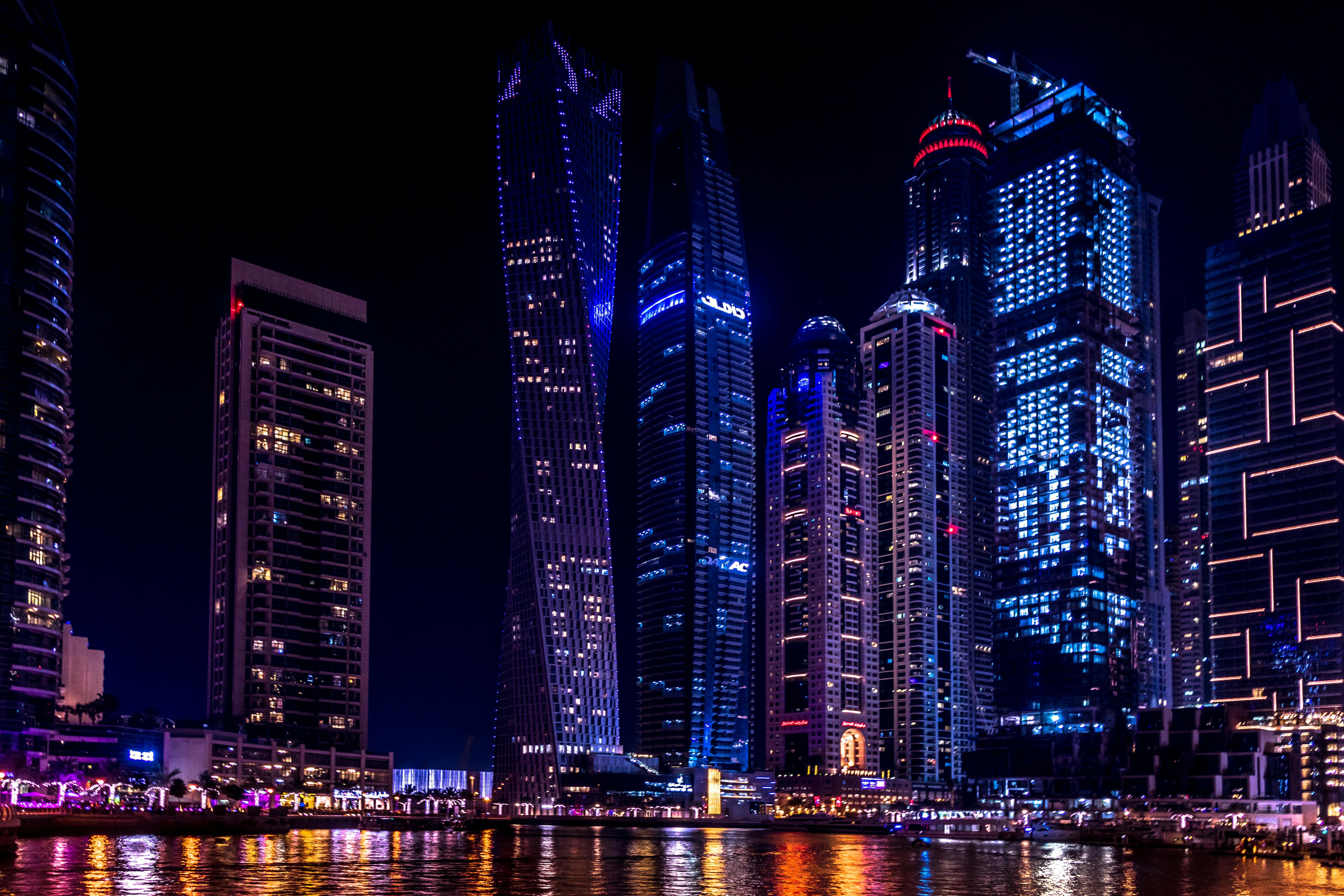
The City That Resets at Midnight
Most cities have a clear evening arc: dinner, then a gradual slowing toward sleep. Hong Kong rejects this structure. By 10pm, the streets in Mong Kok are as dense as a weekday afternoon. The Temple Street Night Market doesn't reach full momentum until after nine. The dai pai dongs — open-air food stalls licensed for outdoor cooking — stay packed until well past midnight.
Part of this is density. When eight million people share a territory the size of a medium European city, the city never fully exhales. There is always a wave of people whose shift just ended, whose flight just landed, whose dinner just finished. The night absorbs them all without strain.
Part of it is also cultural. Cantonese social life runs late by default. A family dinner at a Cantonese restaurant often doesn't start until 8pm and stretches past ten. Night is not an afterthought — it's where a significant portion of daily life actually happens.
Rooftop Bars and the View That Earns Everything
Hong Kong's skyline is one of the most photographed on earth, but no photograph captures what it actually feels like to watch it from above at 11pm. The density of light — horizontal bands of towers, the moving trails of the Star Ferry, the illuminated peaks of Kowloon behind — is genuinely overwhelming the first time. And the second.
The rooftop bar circuit in Central and Wan Chai is well-developed. Sevva on Prince's Building has a terrace that looks directly across to the HSBC tower. Ozone at the Ritz-Carlton sits on the 118th floor of the ICC tower in West Kowloon — the highest bar in the world for a stretch of years. MO Bar, Quinary, The Diplomat — the list is deep and the competition keeps quality high.
These aren't just drinking spots. They're platforms for experiencing the city at its most cinematic. A post-dinner hour at a rooftop bar in Hong Kong is one of those experiences that recalibrates your sense of what a city can look like.
Night Markets — Old Energy, New Hours
Temple Street Night Market in Jordan is the classic entry point. Stretching for several blocks under strings of bare bulbs, it sells everything from counterfeit watches to jade pendants to bootleg DVDs that nobody needs anymore but somehow still appear. Fortune tellers set up folding tables. Cantonese opera singers sometimes perform near the Tin Hau temple end.
The market is tourist-facing in its front rows and genuinely local in its back ones. The further you walk from the main drag, the more the stalls reflect actual neighborhood demand — hardware, household goods, cheap workwear, snacks that aren't being sold to anyone with a camera.
Ladies' Market on Tung Choi Street in Mong Kok runs a similar late schedule and skews younger and faster. The negotiation culture is more casual, the merchandise more fashion-adjacent. Both markets stay open until midnight or later on weekends. Both reward slow walking and zero agenda.
After Midnight — What's Still Running
Hong Kong's late-night infrastructure is among the most developed in Asia. When the restaurants close, these options stay open and active:
- Cha chaan tengs — Hong Kong-style cafés that serve milk tea, toast, and congee through the night. Some never close at all. The one on your corner almost certainly has a 3am clientele of taxi drivers, nurses, and night-shift workers.
- Karaoke rooms — a central institution of Hong Kong social life, booked by the hour, running until 4 or 5am on weekends. Private rooms mean no audience, no judgment, complete volume.
- Snooker halls — surprisingly widespread across Kowloon, often running all night with pay-by-hour tables and a quiet, focused atmosphere very different from a bar.
- The Lan Kwai Fong and Soho bar strips — Central's nightlife cluster, which runs late on a scale that would surprise anyone expecting an early-closing Asian city.
The Harbor Walk Nobody Skips Twice
The Tsim Sha Tsui waterfront promenade on the Kowloon side of Victoria Harbour is one of the great urban walks in the world, and it's at its best after 10pm. The crowd thins slightly. The light show on the Hong Kong Island skyline — officially called A Symphony of Lights, running at 8pm — is over, and the towers settle into their natural glow.
Walking east from the Clock Tower toward Hung Hom takes about forty minutes at a slow pace. The views are continuously astonishing. The breeze off the harbor is one of the few reliable sources of cool air in a city that runs hot and humid for most of the year.
This is also where you encounter one of Hong Kong's better-kept secrets: the benches along the promenade are full of people doing absolutely nothing — just sitting with the harbor, the lights, and the silence that exists even inside a city this loud. Sometimes that's the right move after a long dinner.
When You Want the Night In Your Hands
Not every Hong Kong evening calls for more movement. A full dinner, a rooftop drink, and a harbor walk can take a person to 11pm with every social instinct satisfied. What comes after that is personal.
Hotels in Hong Kong are built for this. Even mid-range properties tend to have fast Wi-Fi, decent room service hours, and the kind of unobtrusive service that lets you disappear into your own evening without interruption. A nightcap from the minibar, something queued on a laptop, a game session that stretches into the small hours — the city outside keeps going, but the room offers its own parallel world.
That tension — between Hong Kong's relentless external offer and the pull of private time — is part of what makes the city so good to stay in for more than a day or two. You never run out of outside. You also never feel guilty about choosing inside.
The Night Doesn't Ask You to Hurry
Hong Kong after dinner is one of the rare cases where a city's reputation undersells the reality. You've heard it's busy, you've seen the photos of the skyline. What you can't quite picture until you're there is how the city manages to be completely alive at midnight without feeling frantic.
The night market vendors aren't rushing you. The cha chaan teng isn't turning the table. The harbor promenade has no closing time. Hong Kong at night operates on a rhythm that is dense but unhurried — which is harder to achieve than it sounds, and rarer than it should be.
Go slowly. The city will still be there at 2am. That's the point.