How culinary brands turn cricket matches into a street food festival and capture the attention of millions of fans
Millions of people across Asia gather around televisions and in stadiums for cricket, creating a unique atmosphere where street food plays a special role. Why do leading culinary brands see cricket as the perfect platform to promote dishes associated with street cuisine, and what strategies transform ordinary fan habits into new gastronomic traditions? Let’s try to reveal how marketing initiatives have changed the consumption landscape and made street food a symbol of a major sporting celebration.
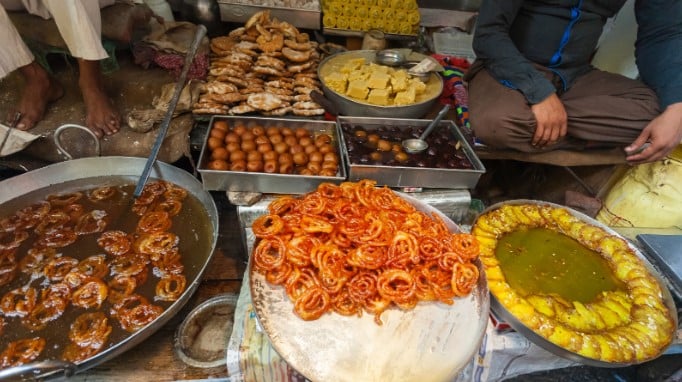
Cricket and street food in Asia
Cricket holds an exceptional place in the lives of people in India, Pakistan, Sri Lanka, and Bangladesh. According to ICC estimates, broadcasts of the Indian Premier League alone gathered over 600 million viewers in 2023. On these days, streets and squares fill with fans for whom cricket is not just a sport, but an important part of identity and everyday life.
Street food has seamlessly woven itself into this cultural context thanks to its accessibility and wide gastronomic variety. According to a Kantar study, up to 70% of fans consider snacking an integral part of watching a match. Brands quickly recognized this potential and began integrating their products into familiar street snack formats near stadiums and fan zones.
The first examples of successful collaborations between food manufacturers and street vendors date back to the early 2010s, when large companies began supplying local outlets with their spices and sauces. From a historical perspective, since the 1980s, stadium areas in Indian megacities have become the epicenter of gastronomic innovations, where even small kiosks could offer signature dishes.
Brand collaborations with street vendors
Why have street vendors become key partners for the largest culinary companies? First of all, they provide access to a huge audience, enjoy the trust of locals, and respond quickly to demand. For example, the masala spice brand MDH supplies its signature blends to more than 300 kiosks near Mumbai stadiums during the IPL.
Often, collaborations include the supply of branded ingredients, packaging with the company logo, and sometimes the joint development of new recipes adapted to local tastes. A representative of Haldiram’s notes: "Cooperation with street vendors allows us to innovate directly on the spot and bring the brand closer to the consumer."
This practice has also been adopted by major betting companies, who are interested in having their names appear everywhere as often as possible. For example, in the state of Andhra Pradesh, legally permitted bookmakers, which can be found at https://cricketbettingapps.org/, regularly sponsor various outlets in food courts and place their logos on them.
According to Nielsen research, after the launch of such projects, sales of branded ingredients in regions adjacent to stadiums increased by 18% on match days. Thanks to these initiatives, a new snacking culture is emerging, where the combination of sports and local gastronomy becomes a familiar element of leisure.
Fan zones and the gastronomic experience of fans
The next stage of development was branded fan zones, which appeared in major cities in India, Pakistan, and Bangladesh. These fan zones are created not only to watch the match, but also to turn the process of supporting the team into a true gastronomic event.
The fan zone menu includes popular local dishes: chaat (a loose mixture of chickpeas, vegetables, and spices), pakoras (fried pieces of vegetables or chicken in chickpea flour), kati rolls (thin flatbreads filled with meat or vegetables). In addition, fans are offered fast food dishes directly related to the organizer brand’s assortment.
Fan zones often host street food cooking master classes, tastings, and competitions among fans. For example, in Chennai, the ITC Foods brand organized such a fan zone in 2022. According to participants, "the fan zone adds emotions and makes every match unforgettable."
Experts note that such initiatives strengthen brand loyalty and create positive associations between the match, emotions, and delicious food, becoming part of family traditions.
Snack marketing and consumption features during matches
Why is cricket so closely associated with the snack format? During matches, which can last several hours, a full meal is often inconvenient. Therefore, brands are actively developing a snack positioning strategy—positioning their products as the ideal quick snack for watching sports.
Many companies launch commercials and slogans, for example: "Snack it, Watch it, Love it!" or "The best taste—for the best moments of the match." On match days, packaging becomes more convenient and the product range expands.
According to analysts from Euromonitor, sales of snack products during the largest tournaments increase by up to 35% compared to regular days. Manufacturers emphasize that their products are available to everyone and can be purchased at any moment of the game, which only enhances the appeal of the idea of a spontaneous snack.
Marketers note that such campaigns are gradually changing gastronomic habits: many families have begun to view snacking not as an accident, but as an essential part of a sports evening.
Ambassadors and integration into the cultural code of fans
The use of celebrities—cricket stars or popular commentators—has become one of the most effective promotional tools. Famous players appear on air, talking about their favorite street food dishes, and commentators emphasize fan traditions and gastronomy.
For example, Indian team captain Rohit Sharma mentioned in a Lay’s advertising campaign that his favorite snack during matches is classic potato chips with chutney sauce. Such integrations increase audience trust in the brand and make food part of fan culture.
In the regions, brands actively cooperate with local sports heroes, forming offers relevant to a specific audience. Kantar research shows that such a strategy increases brand awareness among young people up to 70%.
The Eastern tradition of idol worship and the strong connection between food and celebration explain why integration through ambassadors is especially effective for the Asian market.
Digital campaigns and street food delivery
With the development of online platforms, street food has become more accessible than ever. Delivery apps such as Zomato and Swiggy launch promo codes, special "cricket menus," and social media challenges: users prepare their own version of a street dish, post photos, and win prizes.
In 2023, according to Swiggy reports, the number of online orders for street dishes on final match days increased by 40% compared to regular days. The head of Swiggy notes: "Combining the emotions of the match with a quick order is a new quality of sports leisure."
Consumers note the convenience: without leaving home, you can feel the atmosphere of a street food festival and be part of the overall fan culture.
Gastronomic tourism and cricket
Major tournaments become a catalyst not only for gastronomic innovations, but also for large tourist flows. Cities hosting matches create special street food maps, brands release guides, and organize pop-up kitchens near stadiums.
During the ICC championship in 2019, joint gastronomic routes combining local dishes and signature partner products appeared for the first time in Delhi. City administration representatives note: "The modern fan is looking not only for the game, but also for a new gastronomic experience."
According to the Indian Tourism Board, the flow of tourists visiting fan zones and street festivals during matches has increased by 28% over the past five years. Studies emphasize: a rich gastronomic landscape has become for many an integral part of the sports journey.
The connection between marketing strategies and cultural dynamics
These marketing approaches did not arise out of nowhere. They respond to real demands related to the mass interest in cricket, the growth of urban mobility, and the strengthening role of street food in leisure. Gradually, a new consumption culture is forming, where sports, gastronomy, and technology merge into a holistic experience, uniting millions of fans and transforming the food industry in Asia.