Responsible Gambling: A Guide to Staying in Control While Playing Online
Responsible gambling is an essential aspect of the online gaming industry. With the rise of digital casinos and betting platforms, it's easier than ever to get caught up in the excitement of playing online. However, it's crucial to remember that gambling should be a form of entertainment, not a means to make a living or solve financial problems. In this article, we'll explore the importance of responsible gambling and provide tips on how to stay in control while playing online.
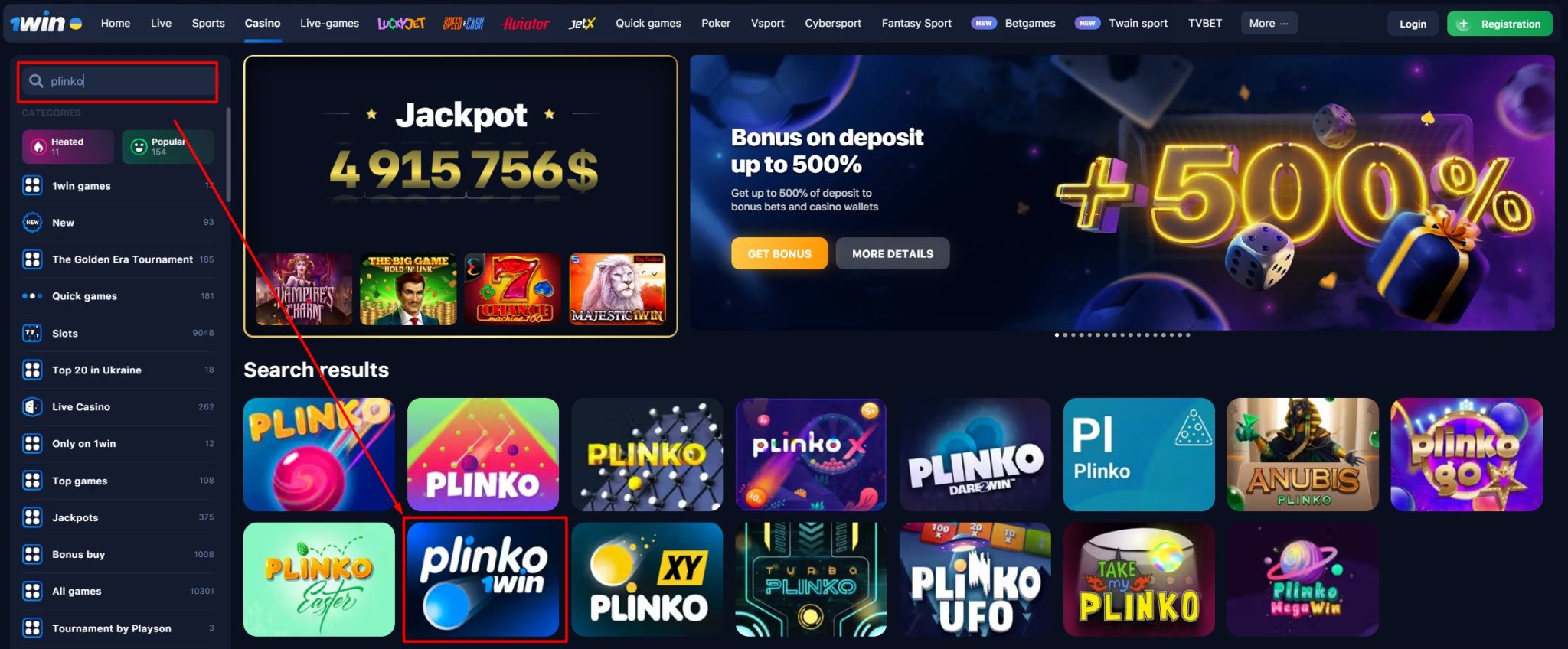
For many players, the thrill of online gaming begins with trying out new games, such as the plinko demo, which allows them to experience the excitement of the game without risking real money. This demo version is an excellent way to get familiar with the game's mechanics, rules, and payouts before deciding to play with real funds. Moreover, it's an opportunity to assess one's emotional response to winning and losing, which is vital in maintaining a healthy relationship with online gaming. By understanding the risks and consequences of gambling, players can take the first step towards responsible gaming.
Understanding the Risks of Online Gambling
Online gambling can be a fun and entertaining activity, but it's essential to acknowledge the potential risks involved. Some of the most common risks include:
Financial problems: Gambling can lead to financial difficulties, especially if players bet more than they can afford to lose.
Emotional distress: The thrill of winning and the agony of losing can cause emotional distress, leading to anxiety, depression, and other mental health issues.
Addiction: Online gambling can be addictive, and players may find themselves spending more time and money than they intended.
To mitigate these risks, it's crucial to set limits and prioritize responsible gaming practices. This includes:
Setting a budget: Decide how much money you can afford to spend on online gaming and stick to it.
Setting time limits: Allocate a specific amount of time for online gaming and avoid exceeding it.
Taking breaks: Take regular breaks to recharge and assess your emotional state.
Recognizing the Signs of Problem Gambling
Problem gambling can manifest in different ways, and it's essential to recognize the signs to seek help. Some common indicators of problem gambling include:
Chasing losses: Trying to recoup losses by betting more money.
Hiding gambling activities: Concealing gambling habits from family and friends.
Neglecting responsibilities: Ignoring work, family, or social responsibilities due to online gaming.
Feeling anxious or irritable: Experiencing emotional distress when unable to gamble.
If you or someone you know is experiencing these symptoms, it's crucial to seek help. There are many resources available, including:
Support groups: Joining a support group, such as Gamblers Anonymous, can provide a safe and supportive environment to share experiences and receive guidance.
Counseling: Seeking professional help from a therapist or counselor can help address underlying issues and develop coping strategies.
Helplines: Contacting a helpline, such as the National Problem Gambling Helpline, can provide immediate support and guidance.
Strategies for Responsible Gaming
Responsible gaming is a collective effort that requires the involvement of players, operators, and regulators. Here are some strategies for responsible gaming:
Self-exclusion: Many online casinos offer self-exclusion programs, which allow players to restrict their access to the platform for a specified period.
Deposit limits: Setting deposit limits can help players control their spending and avoid financial difficulties.
Reality checks: Regular reality checks can help players assess their gaming activity and make informed decisions about their continued play.
Game selection: Choosing games with lower volatility and higher return-to-player (RTP) rates can help reduce the risk of financial losses.
The Role of Online Casinos in Promoting Responsible Gaming
Online casinos play a crucial role in promoting responsible gaming. They can:
Provide resources: Offering resources, such as responsible gaming guides and support hotlines, can help players make informed decisions about their gaming activity.
Implement responsible gaming tools: Implementing tools, such as deposit limits and self-exclusion programs, can help players control their spending and avoid financial difficulties.
Promote responsible gaming practices: Promoting responsible gaming practices, such as setting limits and taking breaks, can help players develop healthy gaming habits.
Conclusion
Responsible gambling is a critical aspect of the online gaming industry. By understanding the risks and consequences of online gambling, players can take the first step towards responsible gaming. Setting limits, recognizing the signs of problem gambling, and utilizing resources, such as the plinko demo, can help players maintain control and ensure a safe and enjoyable experience. Online casinos also play a vital role in promoting responsible gaming by providing resources, implementing responsible gaming tools, and promoting healthy gaming habits. By working together, we can create a safe and responsible online gaming environment that benefits everyone involved.